Why this page has no dollar figures
Most people who search for scaffolding cost want a number. We have chosen not to give one. The price depends on the scaffolder, the building and the season, and any figure on a web page would be an average of jobs that look nothing like yours. A single storey house with a flat lawn and a wide nature strip is a different job from a two storey house on a slope with a narrow side setback, and neither is like a facade. A number that ignores that is not a price, it is a guess.
What can be done is to say what moves the price, in which direction, and what a quote should show. That lets you compare two quotes line by line instead of by the total at the bottom. We are a referral service: we pass your enquiry to local licensed scaffolders, who set their own prices, and we do not own scaffolds or do the work.
The things that move the price
Scaffolders usually price from a combination of the area covered, the height, the type of scaffold, the access and the time it stays up. Each of these has a Canberra twist, and some of them are not obvious until the scaffolder has stood on the block.
| Factor | How it moves the price | What to tell the scaffolder |
|---|---|---|
| Height | More lifts mean more steel, more labour and more time. Above 4 metres a licensed erector must build it, which can change who is available. | How many storeys, and whether the ground slopes |
| Area covered | A scaffold along one wall is smaller than a full perimeter. The area to be covered is usually the base of the quote. | Which elevations need access, with a photo from the street |
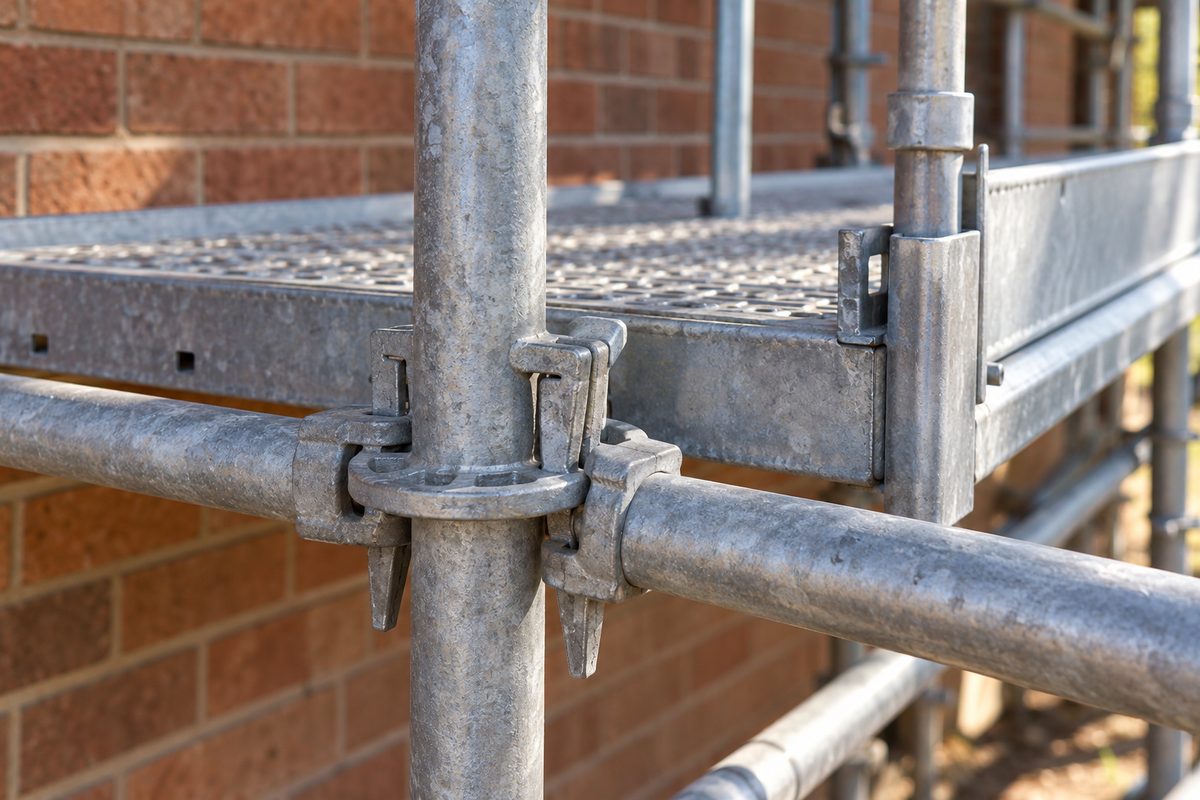
| Type | Modular steel, tube and coupler, birdcage, hung and mobile towers have different costs to supply, build and inspect. | What the trades will do from it: paint, re-roof, render, repair |
| Access | A narrow side setback, a steep drive, a locked gate or a long carry from the truck adds labour. | Any limits on how a truck can reach the block |
| Hire length | The base period is in the first price. Each extra week is charged at the extension rate. | A realistic number of weeks from your builder |
| Weather and season | Frost and short winter days slow work, and a slower job stands longer. | Whether the job runs through June to August |
| Nature strip or footpath | Scaffold or materials on public land is likely to need approval, and the application, any traffic plan and conditions add time and cost. | Whether any part sits on the nature strip or footpath |
| Older roofing and eaves | An asbestos assessment before disturbing older roofing or eaves can add a step before the scaffold goes up. | The age of the roof and whether the work disturbs it |
| Engineering or handover certificate | A complex scaffold may need a design or a plan, and a handover certificate takes time to prepare. | Whether you want a written handover and plan |
| Delivery and collection | Truck time, distance and the number of trips can be charged separately. | The street, the access and the delivery window |
The factors in the table are not equal, and which dominates depends on the job. On a tall building, height and engineering may dominate. On a single storey house, access and hire length may matter more. If one quote is much higher or lower than another, the first place to look is the table above, not the total.
Height and the 4 metre line
Height is the first thing every scaffolder asks about, partly because it drives the amount of material and partly because of the licence. A high risk work licence is needed to erect, alter or dismantle a scaffold from which a person or object could fall more than 4 metres, and the licence classes are Basic (SB), Intermediate (SI) and Advanced (SA), issued through Access Canberra. Under 4 metres a licence is generally not required, according to Safe Work Australia, and height is one of the things that can change who builds it and how. The licence guide explains the line, and the scaffolder decides how your job measures up.
If a quote for a tall job is much lower than the others, ask about the licence number and class before you ask about the price.
Hire length, frost and winter
There is no official answer to how long a scaffold can be hired for or what a week costs. Terms vary by contractor, so ask for the base period, the weekly extension rate and what happens when the job runs over. The hire length guide goes into it.
Canberra's cold season is a hidden cost. The Bureau of Meteorology's Canberra Airport record (2008 to 2026) gives a mean minimum temperature of 0.1 degrees in July and a mean maximum of 12.9 degrees, against 30.0 degrees in January. The ACT climate guide says frost risk typically ended by the last week of October. Frost on a deck, short days and cold conditions slow painters, roofers and bricklayers, and a slower job means more weeks of hire. If your work runs through winter, ask your builder for a realistic duration and ask the scaffolder how weather delays are treated, because a quote built on a best-case schedule may not match the invoice.
Approvals, power lines and public land
Approvals are the cost people forget. If any part of the scaffold, a delivery or a skip goes on the nature strip or footpath, it is likely to need approval. The ACT process found is the approval for works on or using public unleased land, administered by Transport Canberra and City Services, with applications 14 working days before starting and a temporary traffic management plan possibly needed. Fees are set by legislative instrument and we do not state them, so ask the Public Land Use Team (02 6205 8794) for the current figure. Ask the scaffolder who applies and who pays. The footpaths and nature strips page goes into it. In Queanbeyan the council is the usual authority for road and footpath works under section 138 of the Roads Act 1993.
Overhead lines can change the job entirely. Evoenergy says to keep 4 metres from overhead lines for metallic scaffold and to contact them before work starts if that cannot be done, and inside that distance the erector must be Evoenergy-accredited. A job near lines may need a different crew and extra planning, which can raise the price. Mention lines when you request the quote.
What a quote should itemise
Ask for a written quote that lets you see each of these separately, or says plainly that it is included.
- Erection and dismantling, both named, and who does them.
- The scaffold type, height and the elevations covered.
- The base hire period and the weekly extension rate.
- Delivery and collection.
- Alterations during the hire and how they are charged.
- Permits and approvals, and who applies for them.
- Handover certificate, tag and inspection arrangements.
- Edge protection, ladders, stair towers, sheeting or mesh if wanted.
- Insurance and licence details, including the erector's licence number and class.
- What is excluded, such as asbestos assessment, engineering or make-good of tie holes.
Safe Work Australia's inspection guide gives an example handover certificate with the erector, the top platform height, the working decks and the inspector's licence number, and WorkSafe ACT alerts say a scaffold should be inspected at intervals not exceeding 30 days, so ask what the quote includes for inspection during the hire. The erection page covers the handover.
Comparing two quotes
Put the two quotes side by side with the table above. Check that both cover the same elevations at the same height, the same hire period, the same erect and dismantle scope, and the same permits. If one quote has a longer base period, a lower weekly rate or includes delivery, it may be better value than a lower total. If one leaves out the handover paperwork, you will pay for it later, either in extra visits or in uncertainty. When in doubt, ask the scaffolder to put the missing item in writing. The hire page and the residential page go through the hire and house side.
What a cost guide cannot do
It cannot tell you what your scaffold will cost, because it does not know your height, your access, your street or your season. It cannot compare two scaffolders for you, and it does not replace a written quote. It lists the things that move the price so you can ask better questions. Send your suburb, the height of the work and a photo from the street, and ask the scaffolder to itemise erection, dismantling, hire period, extension rate, permits and handover.
Check the current rules before you rely on this
This page describes what moves the price of scaffolding in Canberra and what a quote should itemise, without giving dollar figures. It describes the rules in general terms as they stood in October 2026. Standards, forms, thresholds and fines change.
The authoritative sources are Access Canberra, high risk work licences, Safe Work Australia, guide to scaffold inspection and maintenance, WorkSafe ACT, scaffolding falls from height alert, Evoenergy, scaffolding near overhead powerlines, ABLIS, approval for works on or using public unleased land (ACT) and Bureau of Meteorology and CSIRO, ACT climate guide. Where anything here differs from those sources, they are right and we are not.
We are not scaffolders, engineers, regulators or lawyers. For what applies to your job, ask the scaffolding contractor, WorkSafe ACT (13 22 81) or, for work on public land, the ACT Government Public Land Use Team.
Accurate at the time of writing, October 2026. Always check the source before relying on it.